Lichen, Algae or Moss? Identifying What Is Growing on Your Bath Roof
Look up at almost any roof around Bath and you will see something growing on it. Green cushions, dark streaks, crusty grey patches, they all get lumped together as moss, but they are actually three different things with different habits.
Knowing which one you are looking at helps you understand what your roof needs and how urgent it is. This guide sorts moss from algae from lichen, explains why the damp Avon valley suits all three, and sets out what each means for your tiles or slate.
The quick answer: moss is the thick, green, spongy growth that sits in cushions, algae is the flat green film or the dark black streaks running down the roof, and lichen is the crusty, grey-green or orange patches that cling tightly to the surface. All three thrive in Bath's damp climate, and all three are removed safely with soft washing.
1. Moss: the thick green cushions
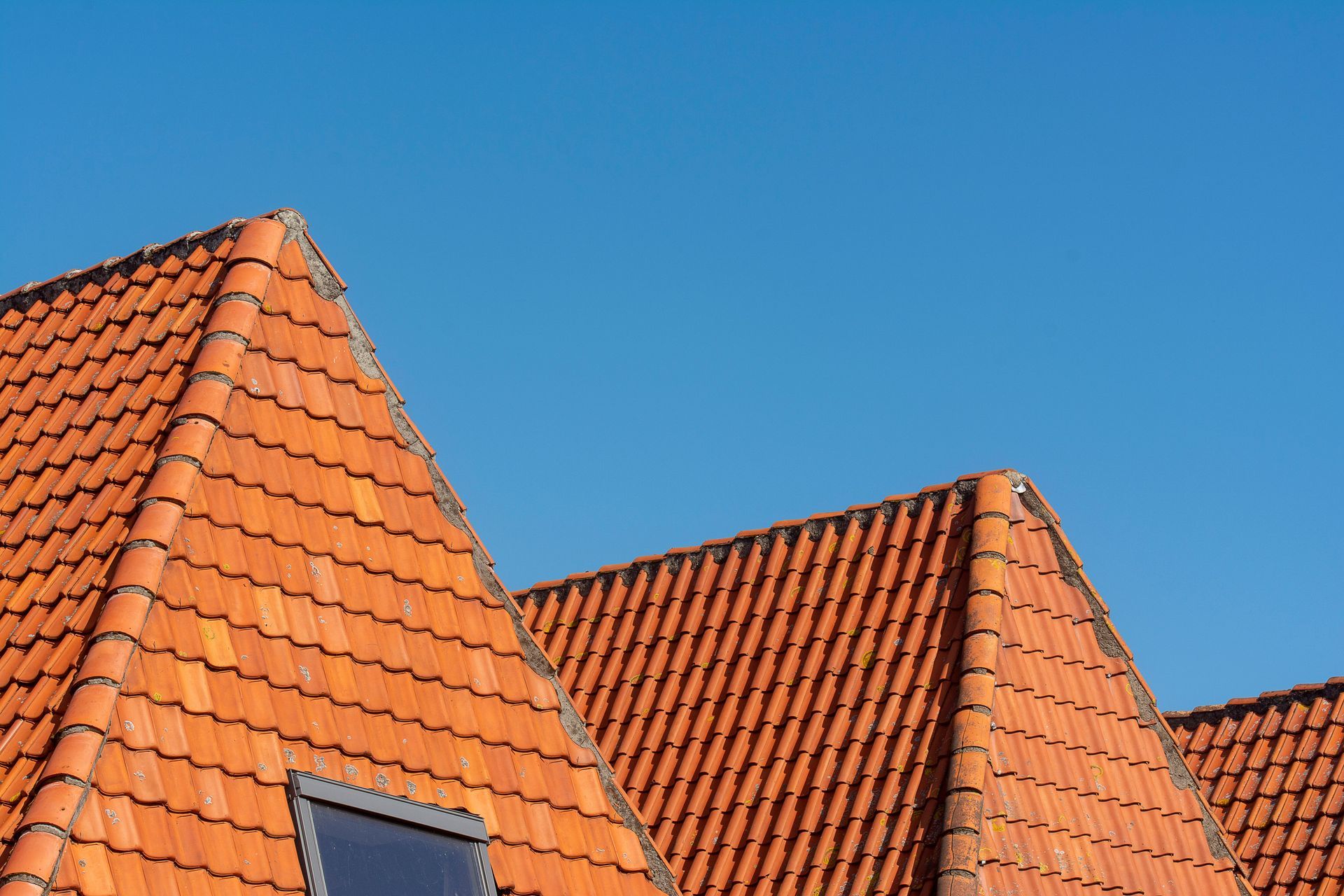
Moss is the one most people recognise. It grows in soft, springy clumps, bright green when wet and duller when dry, and it favours the shaded, north-facing slopes and the gaps between tiles where moisture lingers. On a Bath roof it often builds up thickest along the lower courses and in the valleys.
The trouble with moss is that it holds water like a sponge. That trapped moisture sits against the tile surface, and in winter it freezes, expands and can lift or crack the covering. Clumps also break away and wash into gutters, where they cause blockages and overflows.
Have you noticed pieces of moss in your gutters or on the ground after heavy rain? That is a sign the growth is well established and starting to shed. It rarely goes away on its own.
2. Algae: the green film and black streaks
Algae is flatter and less obvious than moss at first. It appears as a thin green film across the tiles, or more strikingly as the dark, almost black streaks that run vertically down a roof slope. Those streaks are a very common sight on the concrete tile roofs of Bath's post-war housing.
Unlike moss, algae does not hold much bulk, so it is less of a physical threat to the tiles. Its main issue is appearance. A roof streaked with black algae looks neglected and can drag down the look of an otherwise smart house, which matters a great deal in a city as visually proud as Bath.
Algae spreads through airborne spores and loves damp, humid conditions, so the valley climate is ideal for it. Where you see algae today, you will often see moss taking hold tomorrow, because the film helps hold the moisture that moss needs.
3. Lichen: the crusty patches that cling on
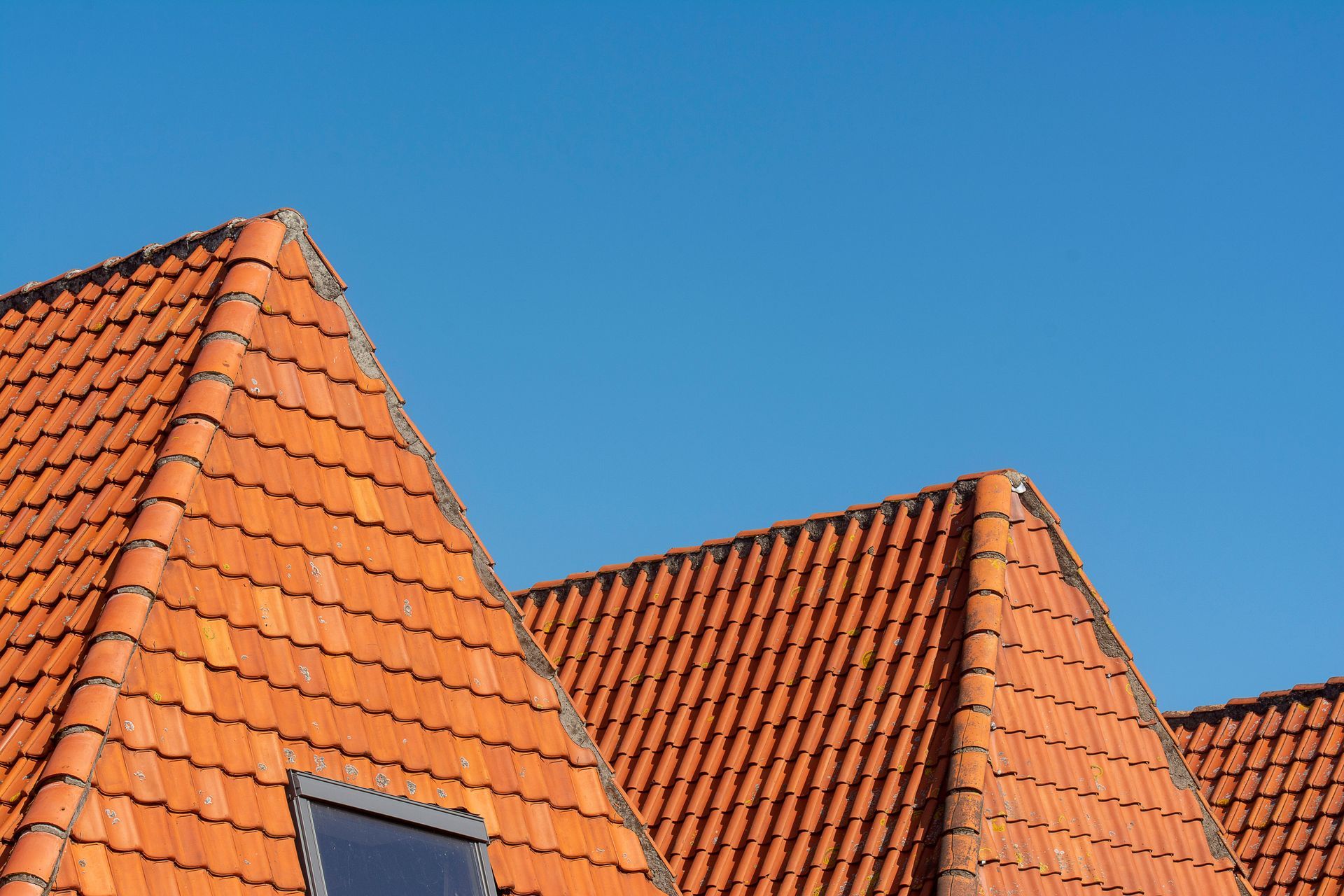
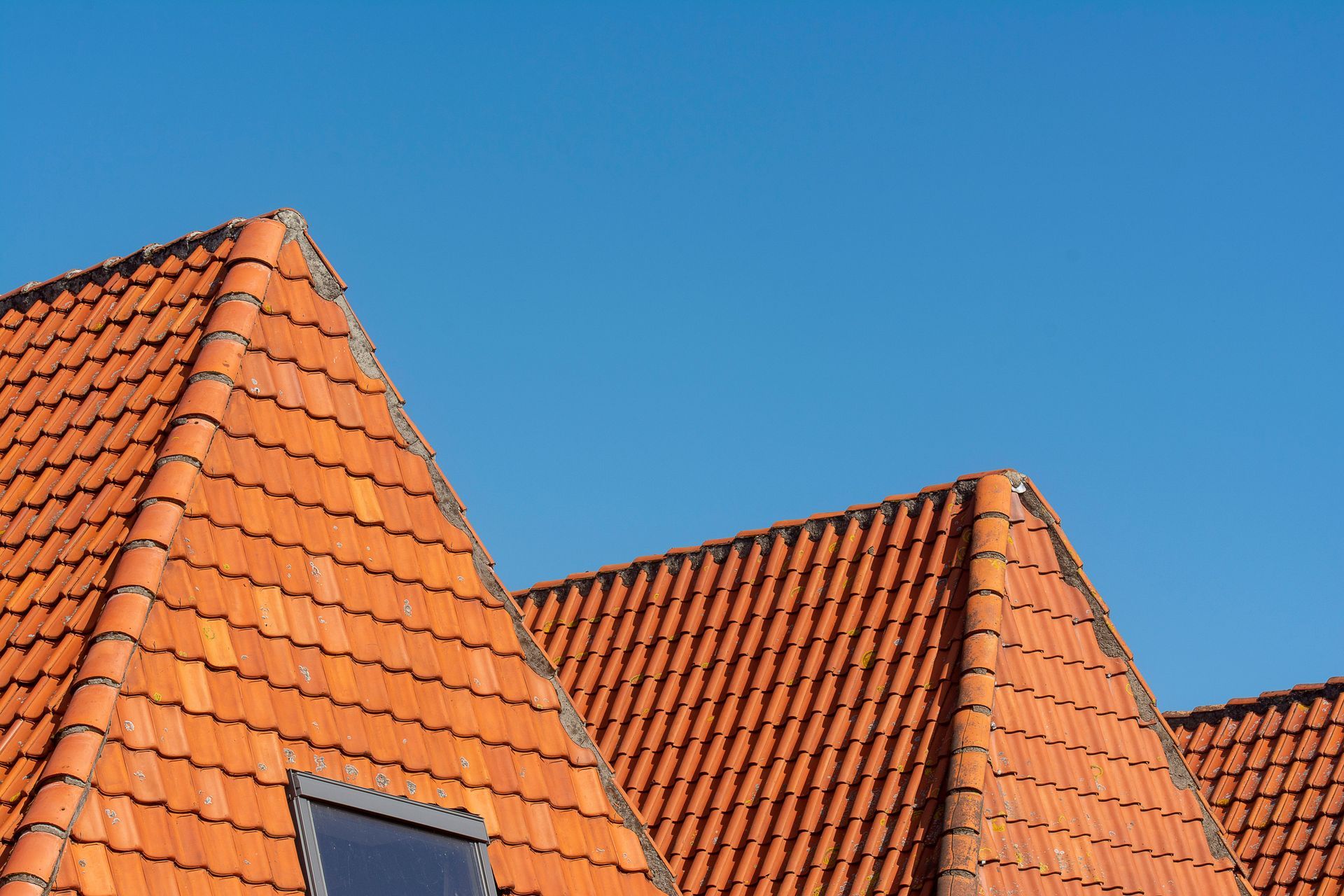
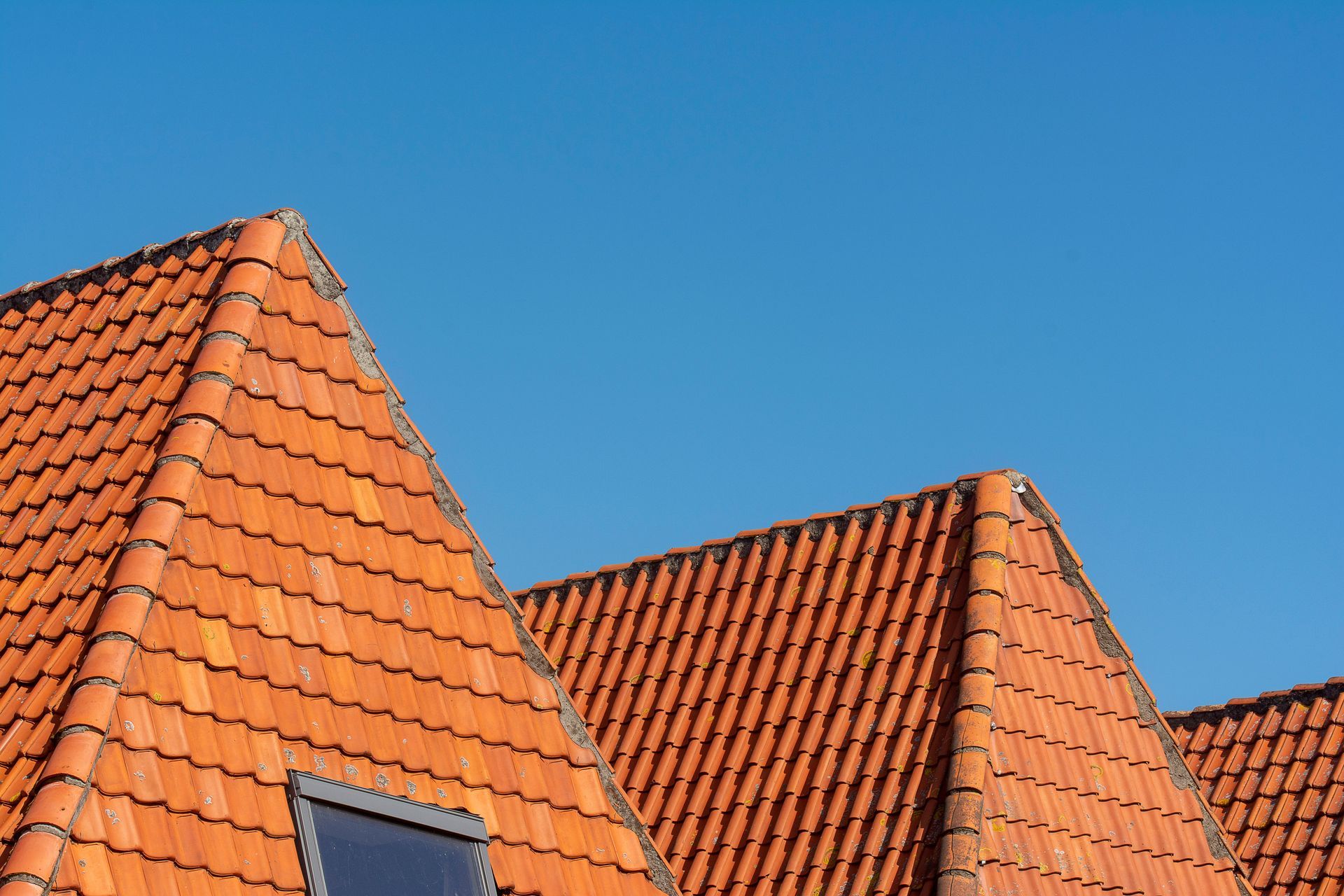
Lichen is the trickiest of the three. It forms crusty, flattened patches in shades of grey-green, white or sometimes bright orange, and it bonds tightly to the tile surface. Unlike moss, you cannot simply brush it away, because its root-like structures grip into the smallest pores of the material.
You will often find lichen on older clay and stone surfaces, and it is a familiar sight across Bath's period roofs and even on the honey-coloured stonework of the buildings themselves. It grows slowly, so heavy lichen usually signals a roof that has gone a long time without cleaning.
Because it clings so stubbornly, lichen needs the right treatment rather than aggressive scrubbing. A proper biocide breaks down its grip over time, which is why soft washing rather than force is the sensible approach.
4. Why Bath is such a good home for all three
The reason roofs here grow so much is the local environment. The River Avon runs through a valley that traps moisture and mist, humidity stays high, and the steep hills mean many roofs sit in shade for large parts of the day. Add the general dampness of the British climate and you have close to perfect growing conditions.
Surrounding greenery plays a part too. Mature trees along the terraces and in the gardens drop leaves and cast shade, keeping slopes wet and feeding organic matter onto the tiles. North-facing roofs that never dry out fully are the worst affected.
None of this reflects badly on the homeowner. It is simply the nature of living in a green, damp, hilly, historic city. The growth is normal, and so is the need to deal with it from time to time.
5. What each type means for your roof
Identifying the growth helps you judge the risk. Heavy moss is the most physically damaging because of the moisture it traps and the gutter blockages it causes, so it usually deserves the most prompt attention. Left alone, it is the type most likely to lead to actual tile damage.
Algae is more of a cosmetic and early-warning problem. It signals that conditions are ripe for worse growth and it spoils the look of the roof, but on its own it is less of a structural threat. Treating it early stops it becoming the foothold that moss needs.
Lichen is slow but stubborn, and its main significance is that it shows a roof has been left a long while. A roof carrying all three is telling you clearly that a clean is overdue. The mix is very common on neglected Bath roofs.
6. One safe method handles all three
The good news is that you do not need a different approach for each. Soft washing, using low-pressure water together with a biocide, deals with moss, algae and lichen alike. The biocide continues working after the visible clean, breaking down spores and the tenacious grip of lichen over the following weeks.
What you should avoid is high-pressure jet washing. It might blast off the surface growth quickly, but on Bath's slate and older tiles it risks cracking the material, stripping protective surfaces and driving water where it should not go. The short-term result looks good and the long-term cost can be severe.
Because it treats the cause rather than just the symptom, soft washing also gives longer-lasting results. Paired with a follow-up treatment, it keeps all three growths at bay far longer than a quick blast ever could.
- Moss: thick green cushions that trap water and block gutters, the most physically damaging.
- Algae: green film or black streaks, mainly a cosmetic problem and an early warning sign.
- Lichen: crusty grey, white or orange patches that cling hard and signal long neglect.
- Treatment: soft washing with a biocide safely removes all three without harming tiles.
Frequently Asked Questions
Can I just scrape the growth off myself?
Scraping removes surface moss but not the spores or lichen roots, so it comes back quickly, and working at height is risky. A biocide treatment tackles the cause and lasts far longer.
Are the black streaks on my roof dangerous?
Black algae streaks are mainly a cosmetic issue rather than a structural threat. They do signal damp conditions, though, so treating them early helps stop moss following.
Why is lichen so hard to remove?
Lichen grips into the tiny pores of the tile surface, so it cannot be brushed off. A proper biocide breaks down its hold gradually, which is far safer than scrubbing.
Does the type of growth change the price?
It can, because heavy moss and stubborn lichen take more work than a light algae film. An assessment of the actual growth gives an accurate quote.
Will it all just come back?
Some regrowth is natural in Bath's damp climate, but a biocide treatment slows it considerably. Occasional maintenance keeps the roof clear for much longer.
Not sure what is growing on your roof?
Ben's Roof Cleaning brings over 15 years of experience in safe, effective roof cleaning across Bath and the surrounding area. Get in touch or call 01225 234933
for a free, no-obligation quote.
Knowing the growth is the first step to clearing it
Moss, algae and lichen each behave differently, but they share one thing in Bath: the damp, shaded, valley conditions that let them flourish. Whichever you have, or if you have all three, the answer is the same safe soft wash and a treatment that keeps them off. Identify what is up there, and you are already halfway to a roof that looks after itself.