How Much Does Roof Cleaning Cost in Bath? What Affects the Price
Ask ten people in Bath what a roof clean should cost and you will get ten different answers. That is not because anyone is being cagey. It is because a roof clean is priced on the specific job in front of you, not on a flat rate pulled from a rate card.
If you live in a Georgian terrace off Walcot Street or a semi out towards Odd Down, the same words apply, roof cleaning, but the work is genuinely different. This guide walks through what actually moves the price up or down, so you can judge a quote sensibly rather than guessing.
The quick answer: the cost of cleaning a roof in Bath depends on roof size, pitch, the type of tile or slate, how much moss and organic growth has built up, and how easy the roof is to reach safely. A small, accessible bungalow roof sits at the lower end. A tall three-storey terrace with heavy moss and awkward access sits much higher.
1. The size and shape of your roof
The most obvious factor is surface area. A larger roof takes more time, more biocide and more careful work, so it costs more. But two roofs with the same footprint can still price differently once you look at the shape.
Bath has a lot of complicated rooflines. Think of the valleys, dormers and multiple pitches you see across the Georgian crescents and the Victorian villas on the hills around the centre. Every valley and every dormer is another edge to treat carefully. A plain gable roof is quicker to work across than one broken up by chimneys and inset windows.
Have you ever noticed how few roofs in the city are actually simple rectangles? That complexity is part of the character here, and it is also part of the pricing.
2. Pitch, height and how steep the hill is
Bath is built on slopes, and that matters more than people expect. A roof on a steep terrace stepping up a hillside can be harder to set up around than the same roof on level ground. Access equipment has to be positioned safely, and the ground it sits on is not always flat.
Steeper pitches also slow the work down. A gentle pitch can be worked more readily, while a sharp Georgian pitch demands more setup and more caution. Height adds to this too. A three-storey townhouse near the centre needs taller access than a single-storey property, and that feeds into the time and the cost.
None of this is about cutting corners. It is about doing the job safely, and safe work on a tall, steep, hillside roof simply takes longer.
3. The roof covering: slate, clay or concrete
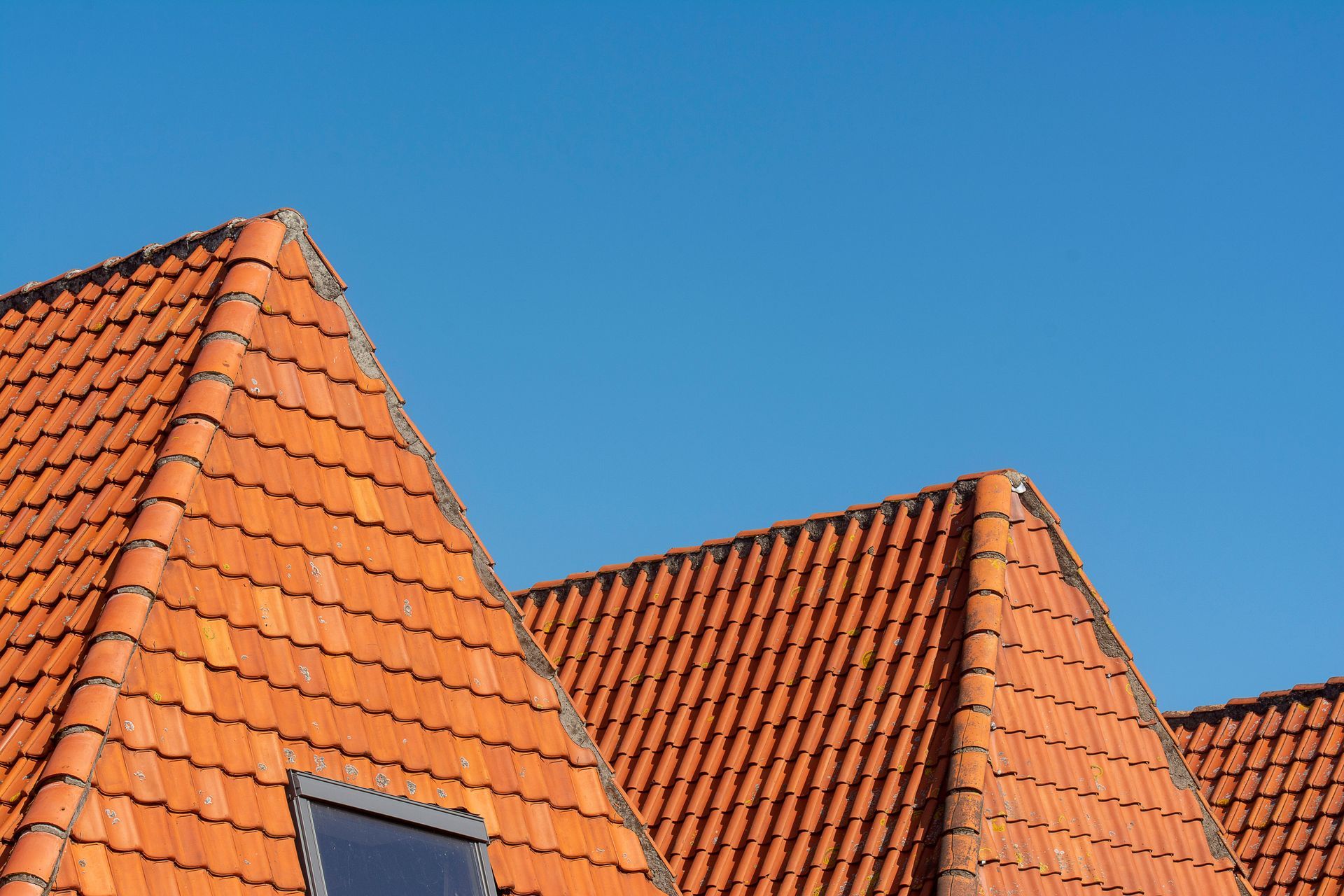
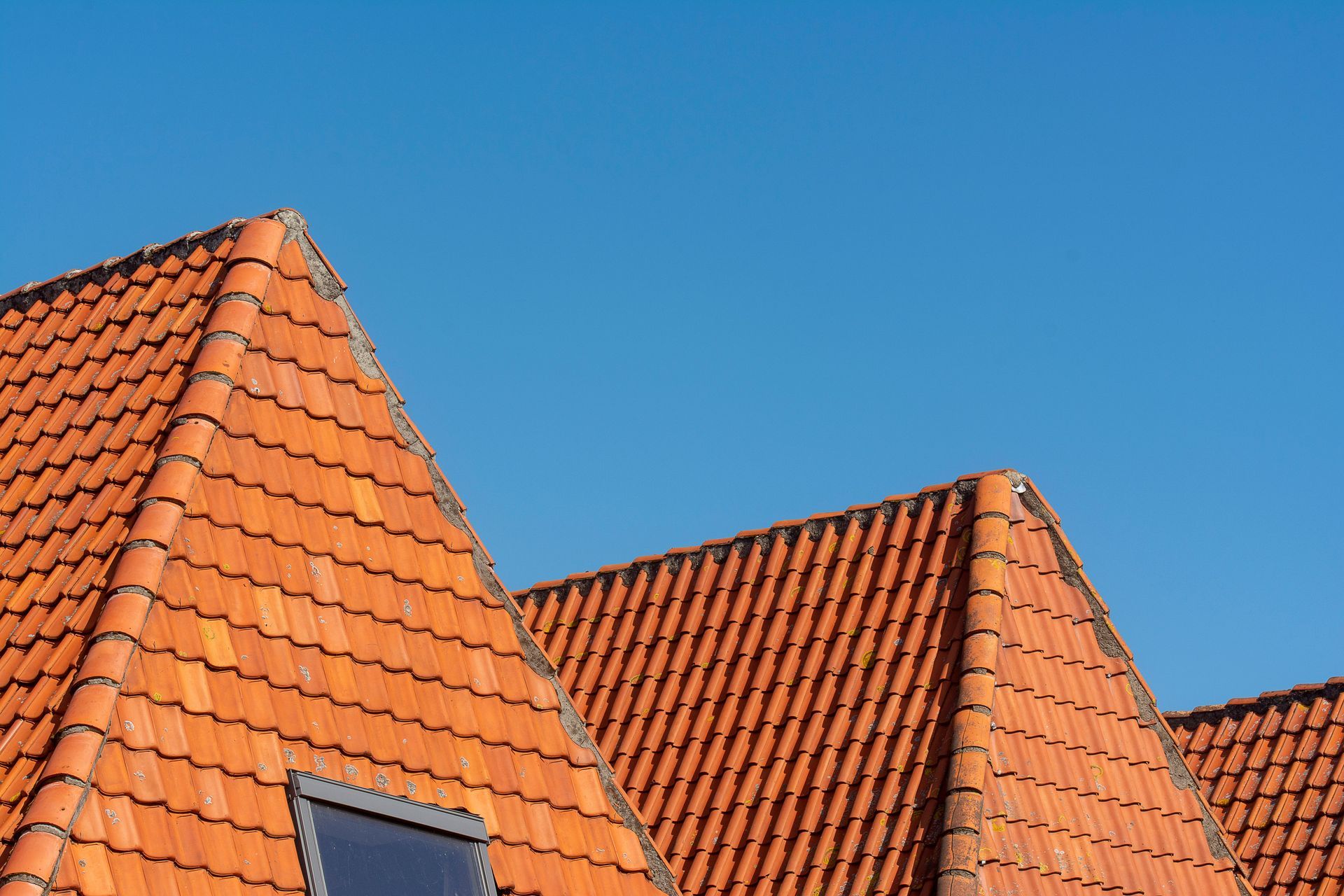
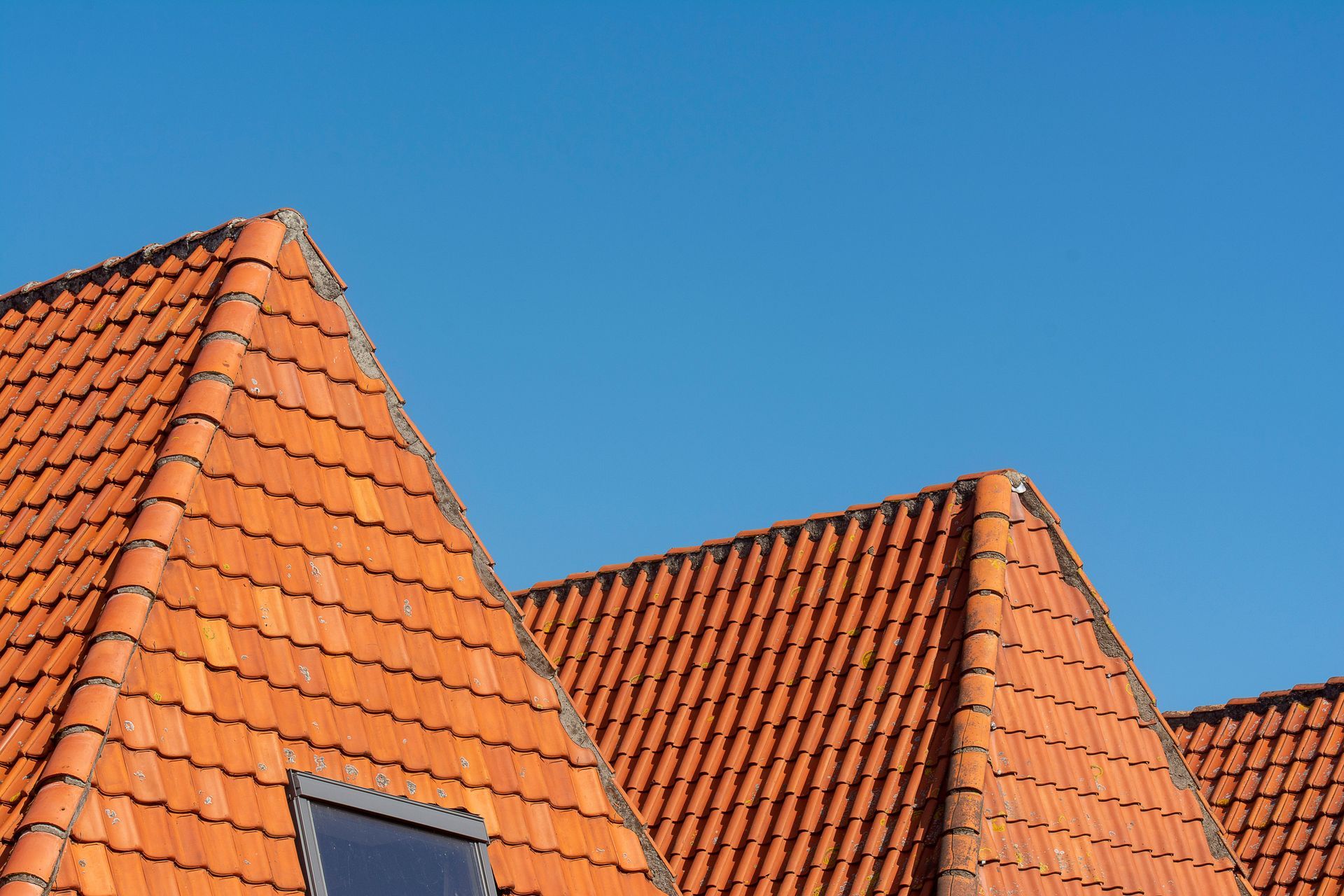
What your roof is made of changes how it is cleaned. Around Bath you see a lot of natural Welsh slate on the older and more prestigious properties, clay pantiles on many period homes, and concrete interlocking tiles on later builds.
Slate is thin and can be brittle, so it is treated gently and never blasted. Clay pantiles have that lovely curved profile that holds moss in the hollows, which can mean more thorough treatment. Concrete tiles are more porous and often carry the heaviest growth of all. Each covering guides the method, and the method affects the time on site.
This is exactly why soft washing suits the local housing stock so well. Low-pressure water paired with a proper biocide cleans without hammering fragile slate or stripping the surface of older tiles.
4. How much moss and growth has taken hold
The River Avon valley holds damp and mist, and shaded north-facing slopes across the city stay wet for long stretches of the year. That is a gift to moss, algae and lichen. The more growth there is, the more work the clean involves.
A roof with a light green film is a lighter job than one carrying thick moss cushions that have been building for a decade. Heavy moss often needs scraping back before treatment, and the debris has to be cleared from gutters and downpipes afterwards. A roof left untreated for fifteen years is a bigger undertaking than one cleaned every few years.
The pattern is simple. The longer you leave it, the more it grows, and the more it grows, the more it costs to put right.
5. Access and the realities of a listed city
Bath is a World Heritage city full of listed buildings and conservation areas, and access is often tight. Narrow lanes, shared alleys behind terraces, on-street parking pressure and neighbouring properties all shape how a job is set up.
If a van can park close and equipment can be positioned easily, the job flows. If materials have to be carried through a house or around a block because there is no rear access, that takes longer. Restricted access is common in the older parts of the city and it is a genuine factor in the quote.
A good local cleaner will look at all of this on site rather than guessing over the phone, because the setup often decides how the whole day runs.
6. What is included beyond the roof itself
Price also depends on scope. Some quotes cover the roof clean alone. Others fold in gutter clearing, a moss-inhibiting biocide treatment to slow regrowth, or cleaning of adjoining surfaces once the roof work is done.
It is always worth checking what a figure includes. A slightly higher quote that clears your gutters and applies a treatment can be better value than a bare number that leaves you arranging the rest separately. Clear scope means no surprises when the work is finished.
When you compare quotes, compare like for like. The cheapest headline figure is not always the cheapest job once you add back everything it left out.
- Roof size and shape: larger and more complex rooflines with valleys and dormers take longer and cost more.
- Access and height: tall terraces, steep hillside plots and tight lanes all add setup time.
- Amount of growth: heavy, long-established moss is a bigger job than a light algae film.
- Scope of work: whether gutters, biocide treatment and surrounding surfaces are included.
Frequently Asked Questions
Can you give a price over the phone?
We can give a rough sense of things over the phone, but an accurate quote needs a proper look at the roof, the access and the amount of growth. That way the figure you get is the figure you pay.
Is soft washing more expensive than jet washing?
Not necessarily, and it is far safer for Bath roofs. High pressure can crack slate and strip tile surfaces, which leads to costly repairs. Soft washing protects the roof while it cleans.
Does a bigger roof always cost more?
Generally yes, because there is more area to treat. That said, a smaller roof with heavy moss and awkward access can cost more than a larger, clean, easy-to-reach one.
Will one clean sort it forever?
No roof clean is permanent. A biocide treatment slows regrowth considerably, but the damp valley climate means moss will return in time. Occasional maintenance keeps costs down long term.
Do you clean gutters at the same time?
We can, and it often makes sense to. Moss and debris come off the roof during the clean, so clearing the gutters afterwards keeps the whole system working properly.
Want a straight answer on what your roof will cost?
Ben's Roof Cleaning brings over 15 years of experience in safe, effective roof cleaning across Bath and the surrounding area. Get in touch or call 01225 234933
for a free, no-obligation quote.
The honest cost of a roof clean is the cost of doing it properly
There is no single number for roof cleaning in Bath because there is no single roof. The fair price is the one built around your property, its access, its covering and the growth it carries. Get a cleaner who looks before they quote, explains what is included and works in a way that protects your roof, and the price will make sense every time.