Why DIY Roof Cleaning Rarely Pays Off in Bath
It is tempting. You look up at the green creeping across your roof, you own a ladder and a pressure washer, and a Saturday of effort seems cheaper than paying someone. Plenty of Bath homeowners have thought exactly this.
The trouble is that roof cleaning looks far simpler from the ground than it turns out to be up close. This piece is an honest look at why the do-it-yourself route so often ends up costing more than it saves, in money, time and sometimes a good deal worse.
The quick answer: DIY roof cleaning rarely pays off in Bath because the safety risks of working at height are serious, a domestic pressure washer can wreck slate and tiles, the results do not last without proper treatment, and the city's steep, tall and often listed properties make the job harder than it appears. The savings are usually a false economy.
1. The safety risk comes first
Working at height is the leading cause of serious injury in home maintenance, and roofs are unforgiving. A ladder on the uneven, sloping ground so common across Bath's hillside streets is a genuine hazard, and a wet roof surface underfoot is worse still.
Many homes here are tall. Three-storey Georgian terraces and townhouses put you a long way up, often above a hard pavement or a neighbour's property. A fall from that height is not a minor mishap. No roof clean is worth a trip to hospital.
Professionals manage this with training, the right access equipment and techniques that keep them safe, frequently working from the ground where possible. Is a slightly greener roof really worth risking your neck for on a Sunday afternoon?
2. Pressure washers do real damage
The most common DIY mistake is reaching for a pressure washer. It feels satisfying to blast the moss away and see the tile appear underneath, but that force is exactly what your roof does not need. Domestic pressure washers are simply too aggressive for roof coverings.
On the Welsh slate found across older Bath homes, high pressure can crack and shatter thin, brittle pieces. On clay and concrete tiles it strips the protective surface, leaving them more porous and quicker to attract growth in future. Worse, it can drive water up under the tiles and into the roof structure, causing leaks that appear weeks later.
By the time that damage shows, the moss is the least of your worries. Repairs to slipped, cracked or leaking roofs cost far more than a professional clean would have in the first place.
3. The results do not last
Even if you clear the visible moss safely, a DIY clean usually treats the symptom and not the cause. Scraping or washing removes what you can see, but it leaves behind the spores and root structures that bring the growth straight back.
Professionals apply a biocide that keeps working long after the visible clean, breaking down spores and slowing regrowth for far longer. Without that treatment, in Bath's damp valley climate the green returns within a season or two, and you are back up the ladder again.
So the effort is not a one-off. A roof cleaned without proper treatment is a job you will be repeating, which quickly erodes any saving you thought you were making.
4. The right kit costs more than you think
Doing the job properly is not just a matter of a ladder you already own. Safe access to a tall or steep roof can mean scaffold towers or specialist equipment, and the correct biocide treatments are trade products, not something grabbed off a supermarket shelf.
Once you add up hiring access equipment, buying suitable products and the value of your own time across a whole weekend, the supposed saving shrinks fast. Many people find that by the time they have equipped themselves to do it safely, they could have paid a professional and had it done properly.
There is also the matter of doing it more than once. A professional has all of this ready and spreads the cost across many jobs. For a one-off homeowner, buying in is rarely economical.
5. Bath's roofs are not straightforward
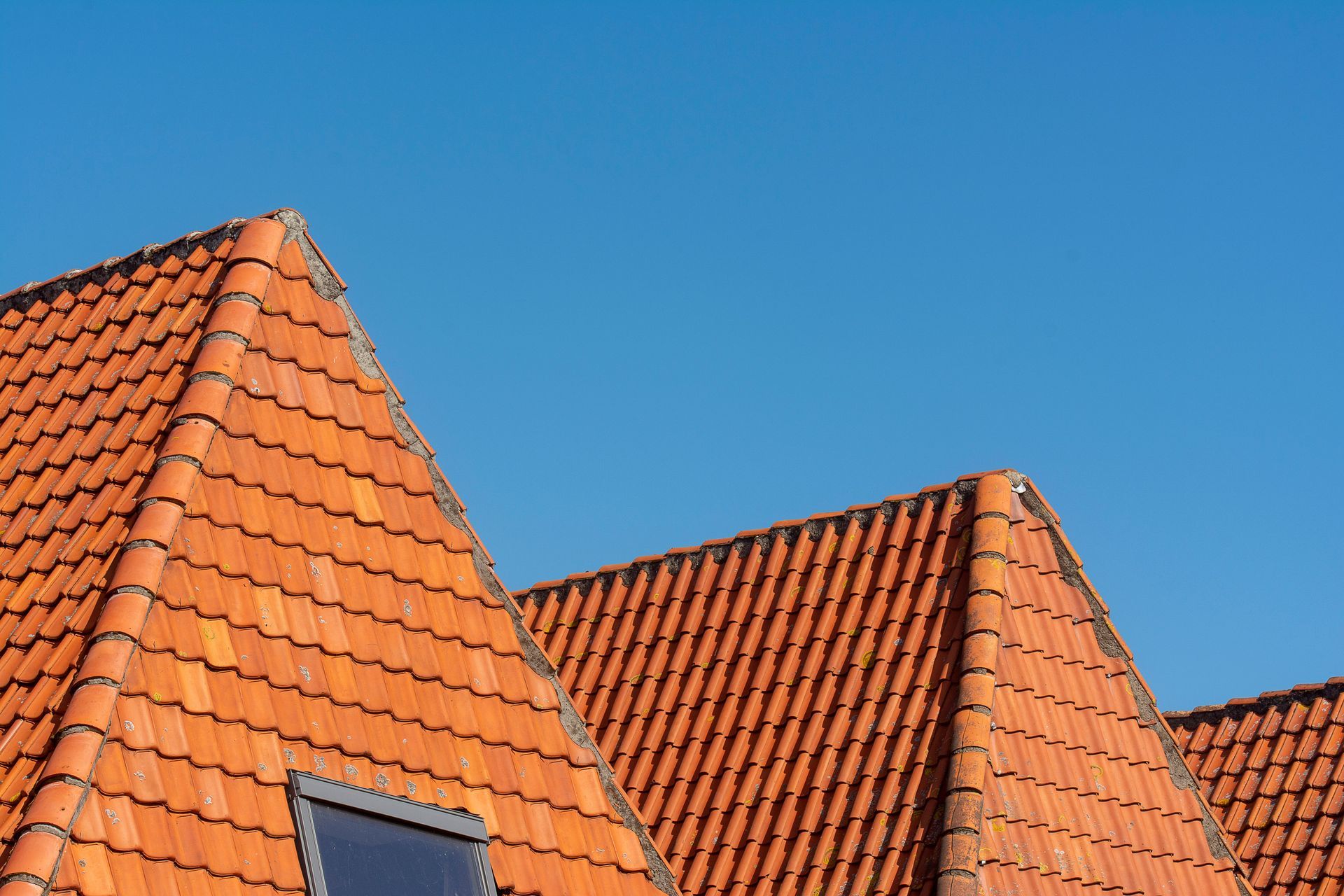
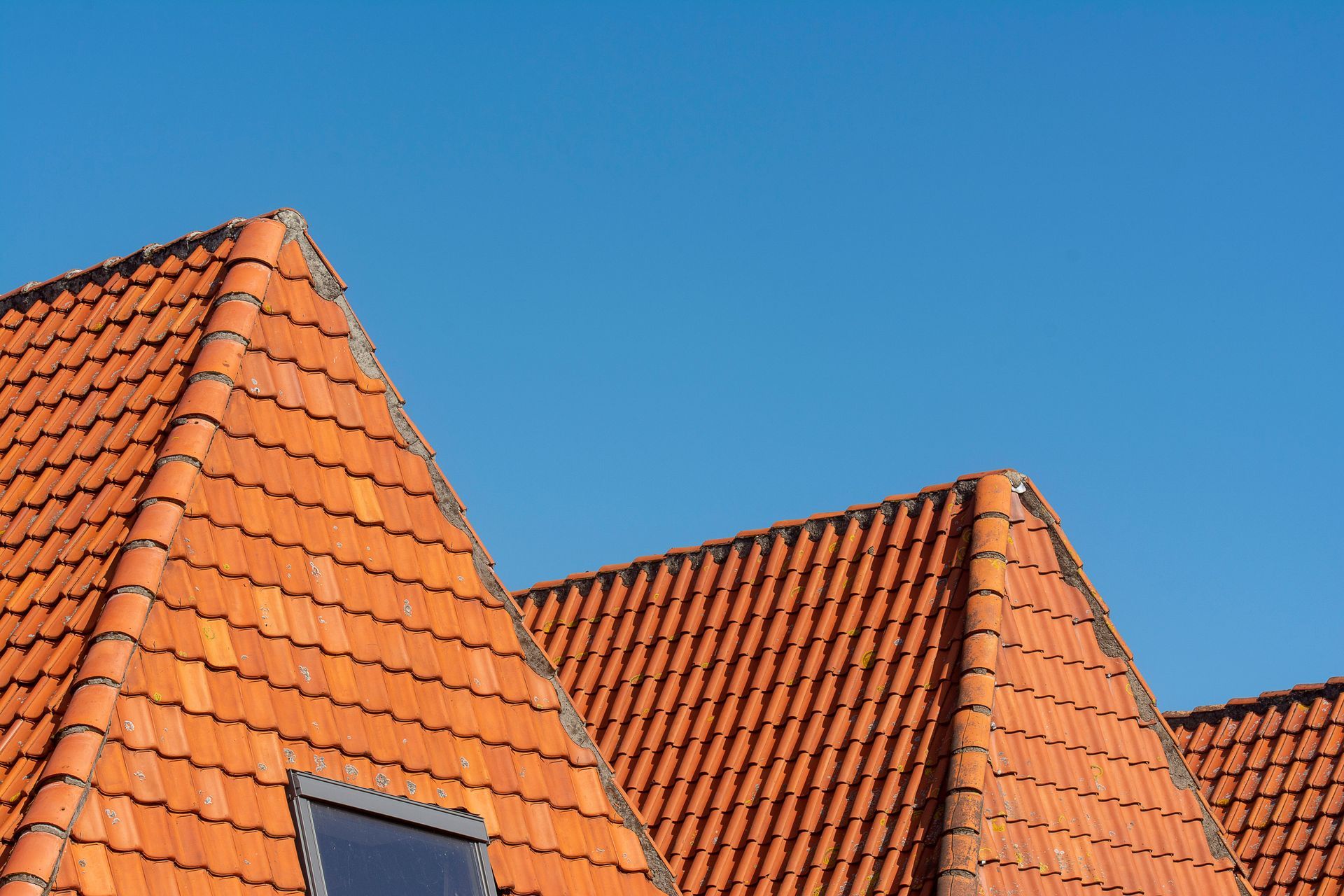
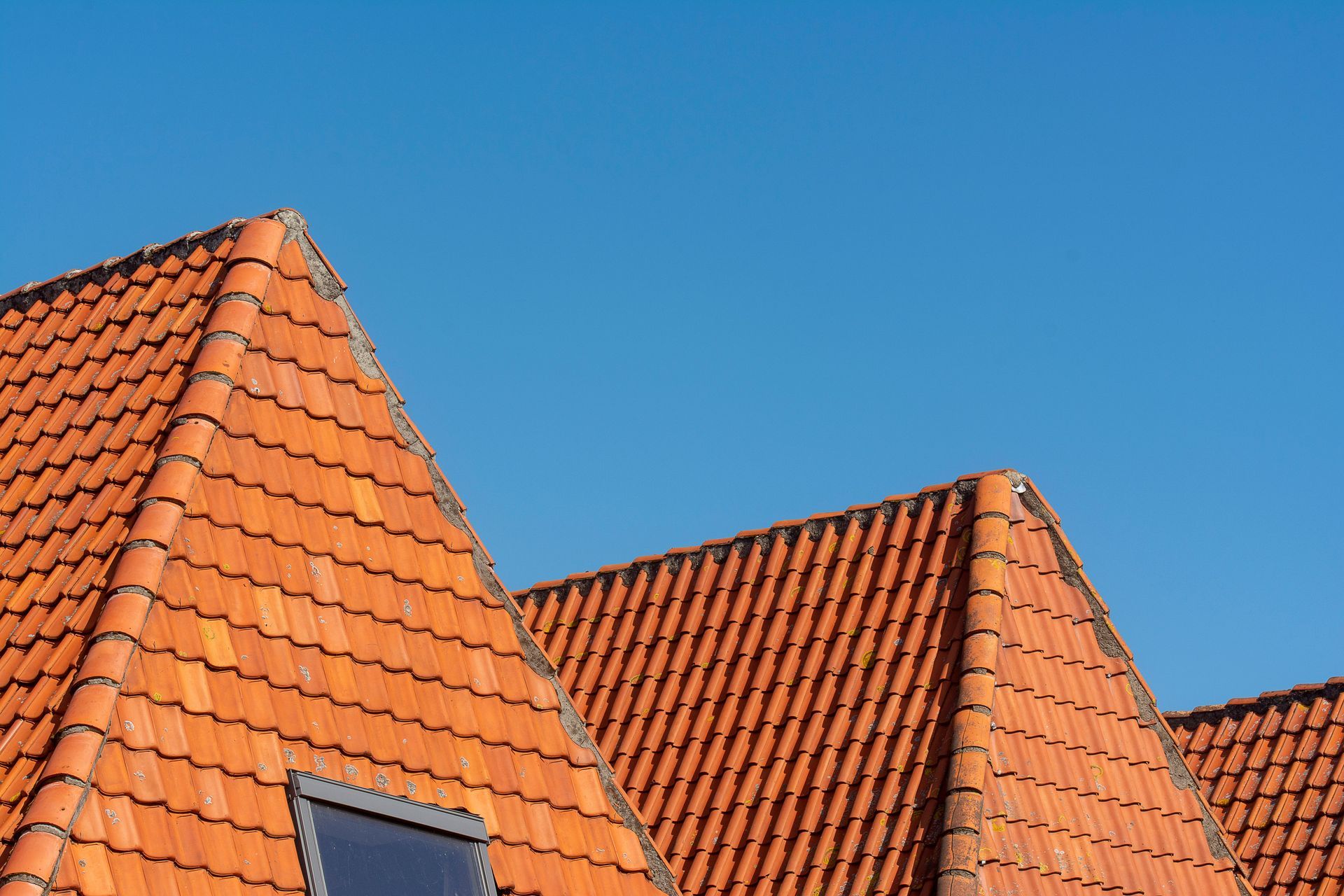
The character that makes Bath beautiful also makes its roofs awkward to clean. Steep pitches, multiple levels, valleys and dormers, and the tight access behind terraces all add difficulty that a first-timer will not have anticipated.
Then there is the listed building and conservation angle. Much of the city sits under heritage protection, and using the wrong method on a period roof risks damaging something genuinely irreplaceable. A honey-coloured stone terrace deserves more care than a rushed weekend blast.
Knowing which method suits Welsh slate versus clay pantile versus concrete tile is part of the job. Without that knowledge, it is easy to pick the wrong approach and cause harm you cannot easily undo.
6. When the saving becomes a false economy
Put it all together and the sums often turn against DIY. The modest cash you save on the day can be swallowed many times over by damaged tiles, a hidden leak, repeat cleaning or, in the worst case, an injury. What looked like the cheap option becomes the expensive one.
A professional clean, by contrast, is done once, done safely, and lasts. You get the visible result, the protective treatment and the peace of mind that no damage has been done. There is no ladder in the garage waiting for round two.
None of this is to say homeowners cannot handle anything. Clearing low, easily reached gutters is one thing. Climbing onto a steep three-storey roof with a pressure washer is quite another.
- Safety: falls from height are a real danger on Bath's tall, steep and hillside properties.
- Damage: domestic pressure washers crack slate, strip tiles and force water inside.
- Longevity: without a biocide treatment the growth returns within a season or two.
- True cost: equipment, products and time often outweigh the price of a professional.
Frequently Asked Questions
Can I use my own pressure washer on the roof?
It is strongly discouraged. Domestic pressure washers are too powerful for roof coverings and can crack slate, strip tiles and drive water inside. Soft washing is the safe method.
Is it really that dangerous to clean my own roof?
Working at height is a leading cause of serious injury, and Bath's tall, steep properties make it riskier still. The danger is genuine and not worth taking lightly.
Why does the moss come back so fast after I clean it?
Because removing what you can see leaves spores and roots behind. Without a biocide treatment, the damp local climate lets the growth return within a season or two.
Would I actually save much money doing it myself?
Often less than expected. Once you factor in safe access equipment, proper products and your time, plus the risk of costly damage, the saving frequently disappears.
Can I do any of it myself safely?
Low, easily reached gutter clearing from a stable position is more manageable. Climbing onto a steep or tall roof to clean it is best left to professionals with the right kit.
Thinking twice about cleaning your own roof?
Ben's Roof Cleaning brings over 15 years of experience in safe, effective roof cleaning across Bath and the surrounding area. Get in touch or call 01225 234933
for a free, no-obligation quote.
The safe way is usually the cheaper way in the end
DIY roof cleaning promises a saving it rarely delivers. Between the danger of the height, the damage a pressure washer does, and the growth that comes straight back, the weekend job often turns into a bigger bill than the professional route. On a Bath roof, doing it once and doing it properly is almost always the smarter choice.