Roof Cleaning for Bath's Listed Georgian Homes: A Careful Approach
There are few places in Britain where the buildings matter as much as they do in Bath. The whole city is a UNESCO World Heritage Site, its honey coloured Georgian terraces built from local Bath stone and famous the world over. Behind the elegant frontages of the Royal Crescent, the Circus and countless smaller terraces sit roofs that are every bit as historic, and every bit as protected. Cleaning them is not a job to rush or to hand to anyone with a pressure washer.
This guide is for owners of Bath's period and listed homes. It explains why heritage roofs need a gentler, more thoughtful approach, what makes them different from a modern roof, and how to keep them clean without risking damage to a building that carries real historic value. In a city like this, care is not optional.
The quick answer: Roofs on Bath's listed and period homes should be cleaned with low pressure soft washing, never a pressure washer, and owners of listed buildings should check whether consent is needed before any significant work, since the roof is part of a protected structure.
1. Why Bath's roofs carry extra responsibility
Bath was largely rebuilt in the eighteenth century, when architects such as John Wood the Elder and his son gave the city its celebrated Georgian streets. That building boom used the pale oolitic limestone quarried nearby, and it is why Bath has one of the greatest concentrations of listed buildings anywhere in the country.
When a building is listed, that protection extends to the whole structure, roof included. Work that alters or could damage the fabric may need listed building consent, and using an inappropriate cleaning method on a protected roof is exactly the kind of thing that can cause harm. Owning one of these homes is a privilege that comes with a duty of care.
For a homeowner, the message is simple. Before any significant roof work on a listed property, it is worth checking your obligations, and it is always worth choosing a method that respects the age and value of what is over your head.
2. What makes a heritage roof different
Older Bath roofs were built by hand from natural materials, typically slate or traditional stone slates, laid to shed rain gently over generations. These coverings age in ways that modern factory tiles do not, becoming more brittle and more easily damaged as the decades pass.
The fixings age too. Slate nails corrode, mortar bedding on ridges crumbles, and lead flashing around chimneys and parapets can lift or split. On Bath's tall terraces, many with parapet gutters hidden behind the stone frontage, a small fault can channel water into the building in ways that are not obvious from the street.
All of this means a heritage roof has to be treated as the delicate, historic thing it is. It cannot take the force a modern concrete tile might shrug off, and the details matter as much as the open slopes.
3. Why moss takes hold on Bath's roofs
Bath sits in a bowl in the Avon valley, ringed by hills such as Lansdown and Bathwick. That sheltered, low lying setting, combined with the damp south west climate, keeps roofs moist for much of the year. Add the mature trees that line so many of the city's streets and parks, and you have ideal conditions for moss, algae and lichen.
Natural stone and aged slate are particularly hospitable to that growth. Their weathered, slightly textured surfaces give spores an easy grip, and once moss establishes it thickens into a mat that holds water against the covering.
On a heritage roof that trapped moisture is a genuine threat. It works into joints, keeps brittle materials constantly damp, and washes debris down into gutters and parapet channels where blockages can force water back into the historic fabric.
4. The right way to clean a period Bath roof
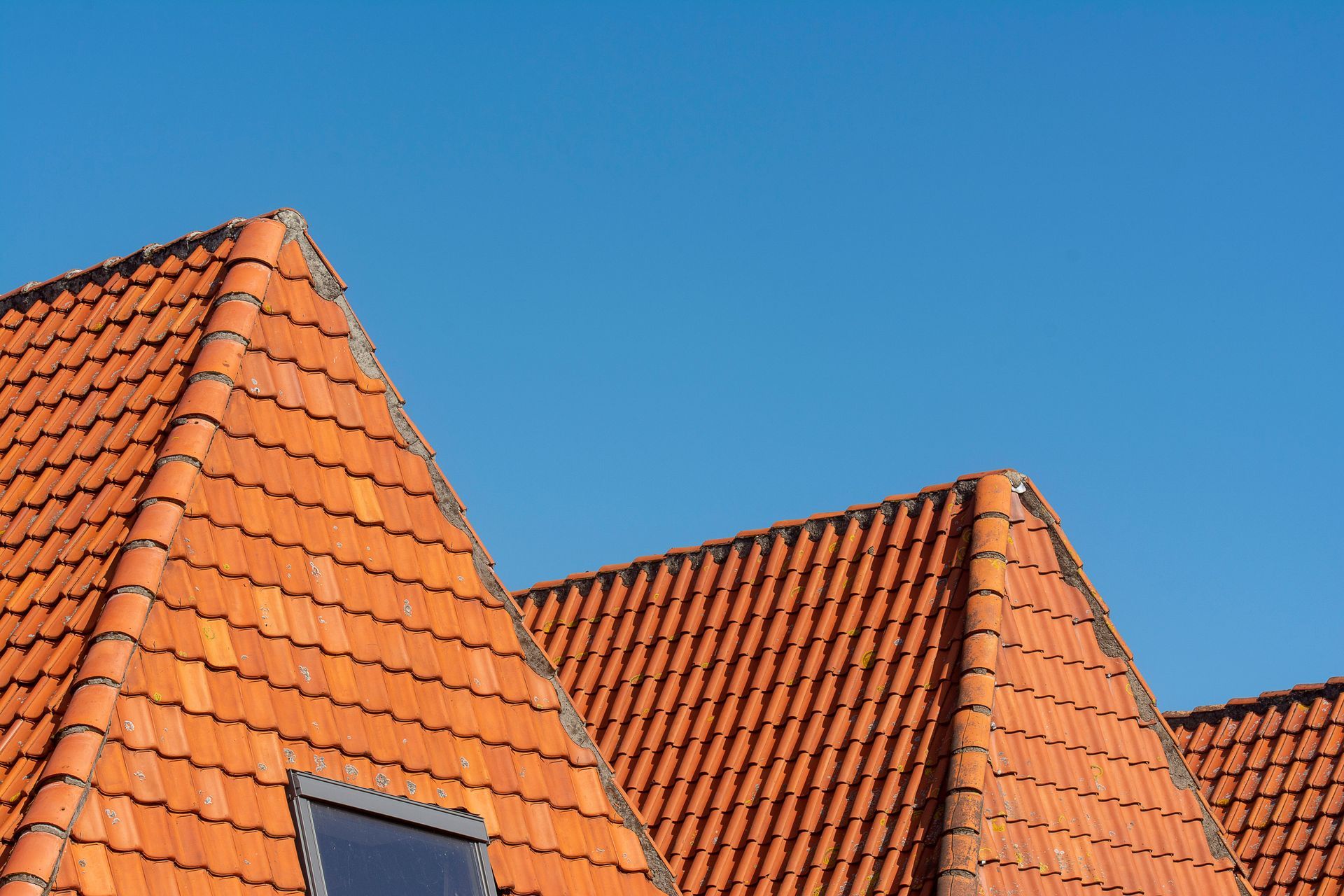
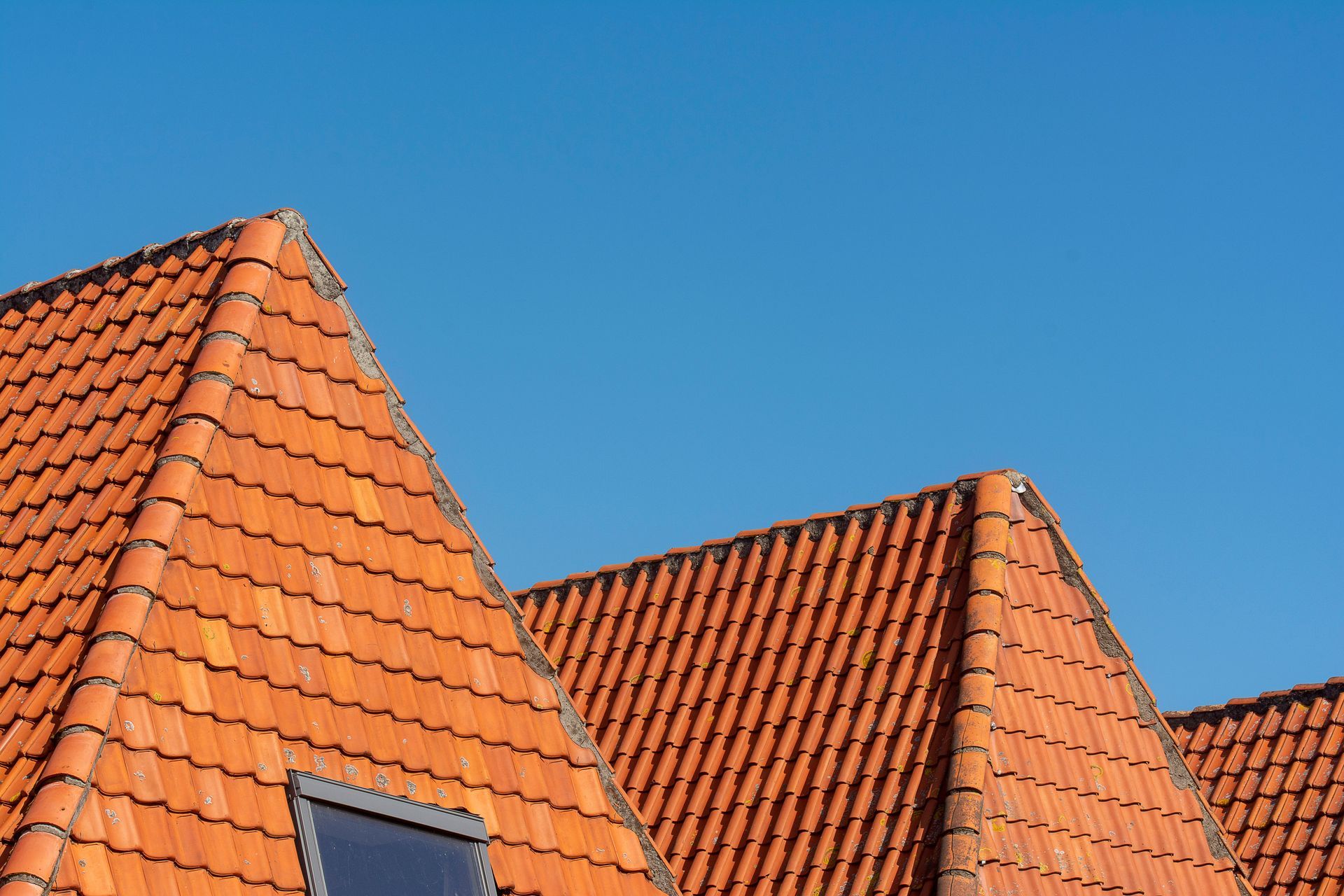
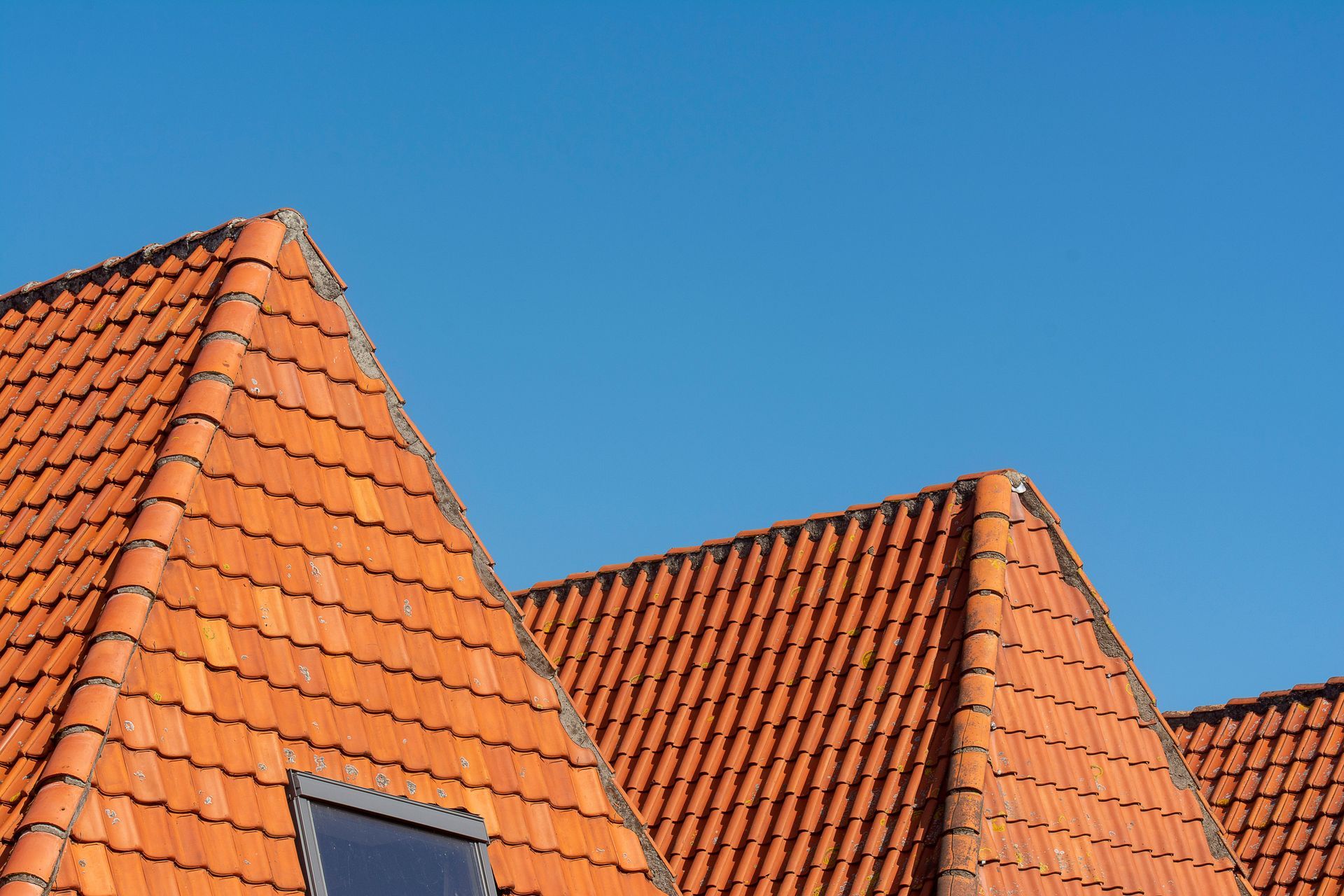
The correct method for these roofs is soft washing. Rather than using force, it applies low pressure water together with a biocide treatment that kills moss, algae and lichen at the root. The growth dies off and clears away without the covering being battered.
This matters enormously on heritage buildings. A pressure washer can crack slates, strip the surface from natural stone, wash out ridge mortar and drive water under the covering, causing damage that is expensive and, on a listed building, sensitive to put right. Soft washing avoids all of that while still cleaning thoroughly.
The biocide also keeps working for months after the visible clean, slowing regrowth in Bath's damp climate. That means fewer interventions over time, which is exactly what you want on a roof you are trying to preserve rather than repeatedly disturb.
5. Do not forget the gutters and parapets
Bath's grander terraces often have concealed parapet gutters running behind the stone frontage, and these deserve particular attention. When they block with moss and debris, water can back up and find its way into the building, sometimes without any visible sign outside until damp appears within.
Even on more modest period homes, keeping gutters and downpipes clear is essential to protecting the Bath stone below. Overflowing water saturates the porous limestone, and over time that leads to staining, erosion and damp inside. Here are the warning signs worth watching for:
- Green or black staining spreading across the roof slopes or down the stonework.
- Moss visibly dropping from the roof into gutters or onto the ground.
- Water overflowing from gutters or parapets during heavy rain.
- Damp patches or tide marks appearing on internal walls or ceilings.
- Slipped slates or crumbling ridge mortar visible from the street.
Any of these is a prompt to have the roof looked at by someone who understands period buildings.
6. Choosing the right people for the job
A heritage roof is not the place to cut corners. The right professional understands how to work on and around fragile, historic coverings, uses the gentle soft washing approach rather than reaching for a pressure washer, and knows to check the vulnerable details as well as the open slopes.
Safe access matters too. Bath's tall terraces and steep hillside streets make roof work genuinely demanding, and proper equipment is essential both for safety and to avoid causing damage. A careful, experienced hand protects both the person doing the work and the building itself.
Frequently Asked Questions
Do I need consent to clean the roof of a listed building in Bath?
Routine cleaning by a gentle method usually does not, but anything that could alter or affect the fabric of a listed building may. If in doubt, check with the local conservation team before significant work begins.
Is pressure washing ever suitable for a period roof?
No. Pressure washing can crack slates, erode natural stone and wash out mortar. Soft washing is the safe, recommended method for heritage and listed roofs.
Will moss damage my Bath stone as well as the roof?
Indirectly, yes. Moss blocks gutters, and the resulting overflow saturates the porous Bath stone, leading to staining and erosion. Keeping the roof and gutters clear protects the stonework too.
How often should a heritage roof in Bath be cleaned?
It depends on shade and tree cover, but a gentle clean every few years is typical. The lasting protection from a soft wash means you disturb the roof less often, which suits a period building.
Can I clean the roof myself to save money?
It is not advisable. Working at height on Bath's tall, steep streets is dangerous, and a wrong method can harm a protected roof. A specialist protects both you and the building.
Own a period or listed home in Bath?
Ben's Roof Cleaning cleans heritage roofs across Bath and the surrounding area with a gentle soft washing method and over 15 years of experience. Get in touch or call 01225 234933
for a free, no-obligation quote.
Treating Bath's roofs with the respect they deserve
Bath's roofs are part of what makes the city one of the most beautiful in the country, and they carry real historic value. That is reason enough to look after them properly. Choose the gentle soft washing approach, keep the gutters and parapets clear so water never touches the Bath stone, and check your obligations before major work on a listed home. Treated with that kind of care, these roofs will keep their looks and keep protecting their remarkable buildings for generations to come.